
“It’s all about connecting the dots looking back… and staying hungry and foolish,” said Steve Jobs in his Stanford speech to the graduating class of 2005. We all have dreams and aspirations growing up—things we hope to achieve someday: when we finish school, get a job, save enough money, take a sabbatical, and so on. Luck and will play a significant role in realizing some of these dreams. For me, one such experience unfolded in ways I could never have imagined. Growing up immersed in National Geographic’s stories and perspectives for over two decades, I learned photography and trained myself using National Geographic’s field guides. One big dream on my bucket list was to travel, create photography and video content across land, air, and sea—and, most importantly, to live that life on the African subcontinent.
Until 2006, I could only respect Steve Jobs for that line. But after having those experiences by 2011, I could finally relate to it. Looking back to 2007, when I decided to relocate to India after a corporate career in the U.S., the path seemed uncertain. Yet, as a firm believer in “think with your mind, but do what your heart says,” I found the conviction I needed—and since then, there has been no looking back!
Finally, in September 2008, after advancing up the corporate ladder within my organization, I faced a familiar dilemma. The global recession was looming large over our business forecasts, and some personal commitments were pulling me in the opposite direction. Once again, I had to choose: pursue what I loved, or ride out the recession in the corporate world and see how it unfolded. Once again, the heart prevailed. I embarked on a journey of personal discovery, which began with my long-awaited trip to Africa. Over the next six months, I traveled more than 30,000 km across sub-Saharan terrain, crossing 26 international borders along the way.
Some experiences to share — standing on the Equator in Uganda to witness the earth’s magnetism behave 3 different ways, a 1988 dream to see the mountain gorillas in Rwanda’s Volcanoes National Park at 5,000 ft and get elbowed by one, seeing lions chase game in the 14,763 sq km Serengeti National Park, lead a camping tour of 25 on the edge of Ngorongoro Crater, fending off a pack of invading hyenas, snorkeling with a family of dolphins off the Zanzibar coast, swimming in the world’s big Clearwater lakes Malawi & Tanganyika, living in the 15,000 km of Okavango delta where the desert swallows a complete river, 5 of us overnight on a uninhabited island in the Bazaruto Archipelago with a million crabs for company after sundown, braving the world’s highest bungy jump, and many more. One doesn’t easily get all these within his lifetime, and it felt like nothing short of a rebirth.
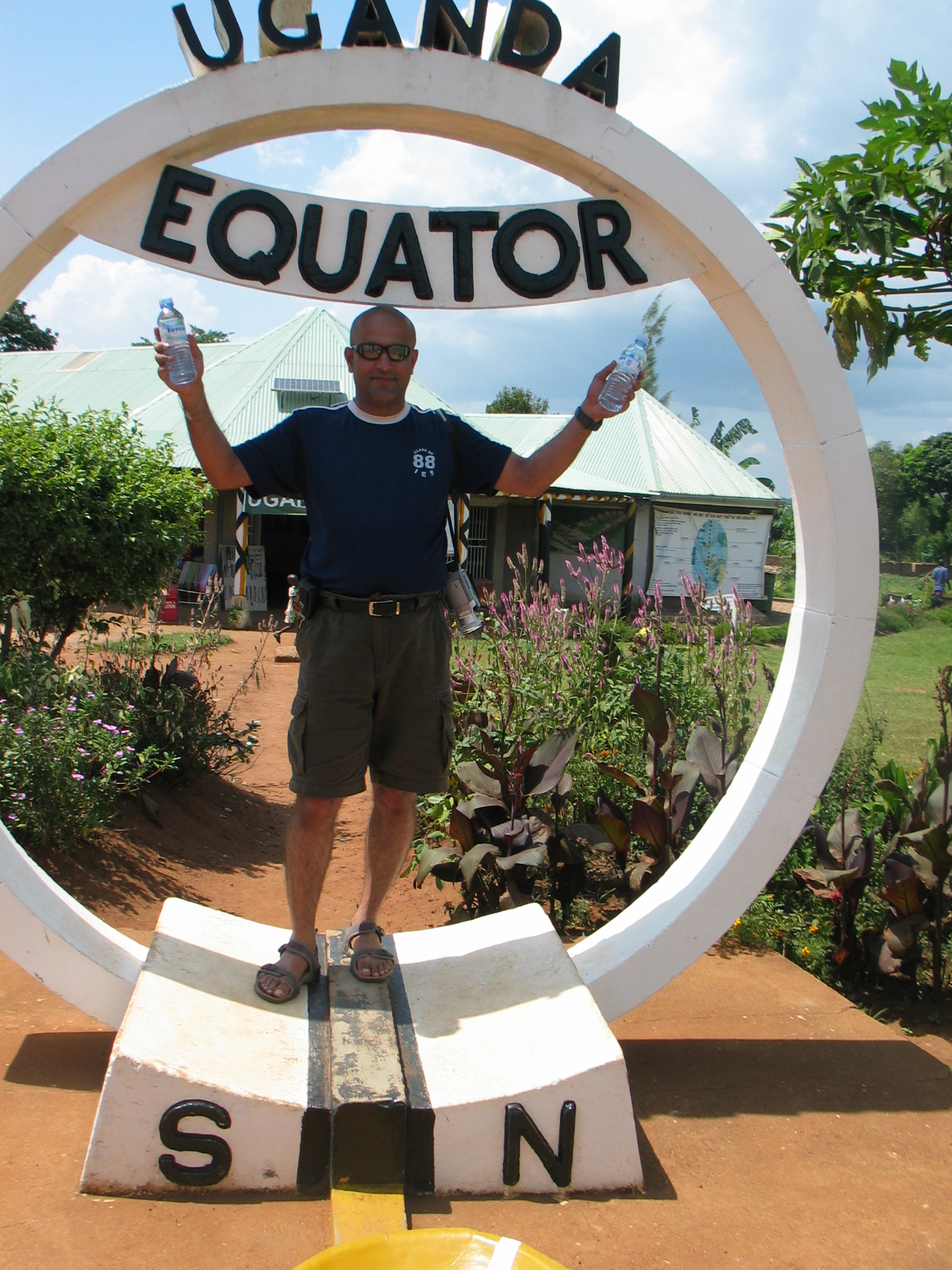
Standing on the Equator line – Uganda 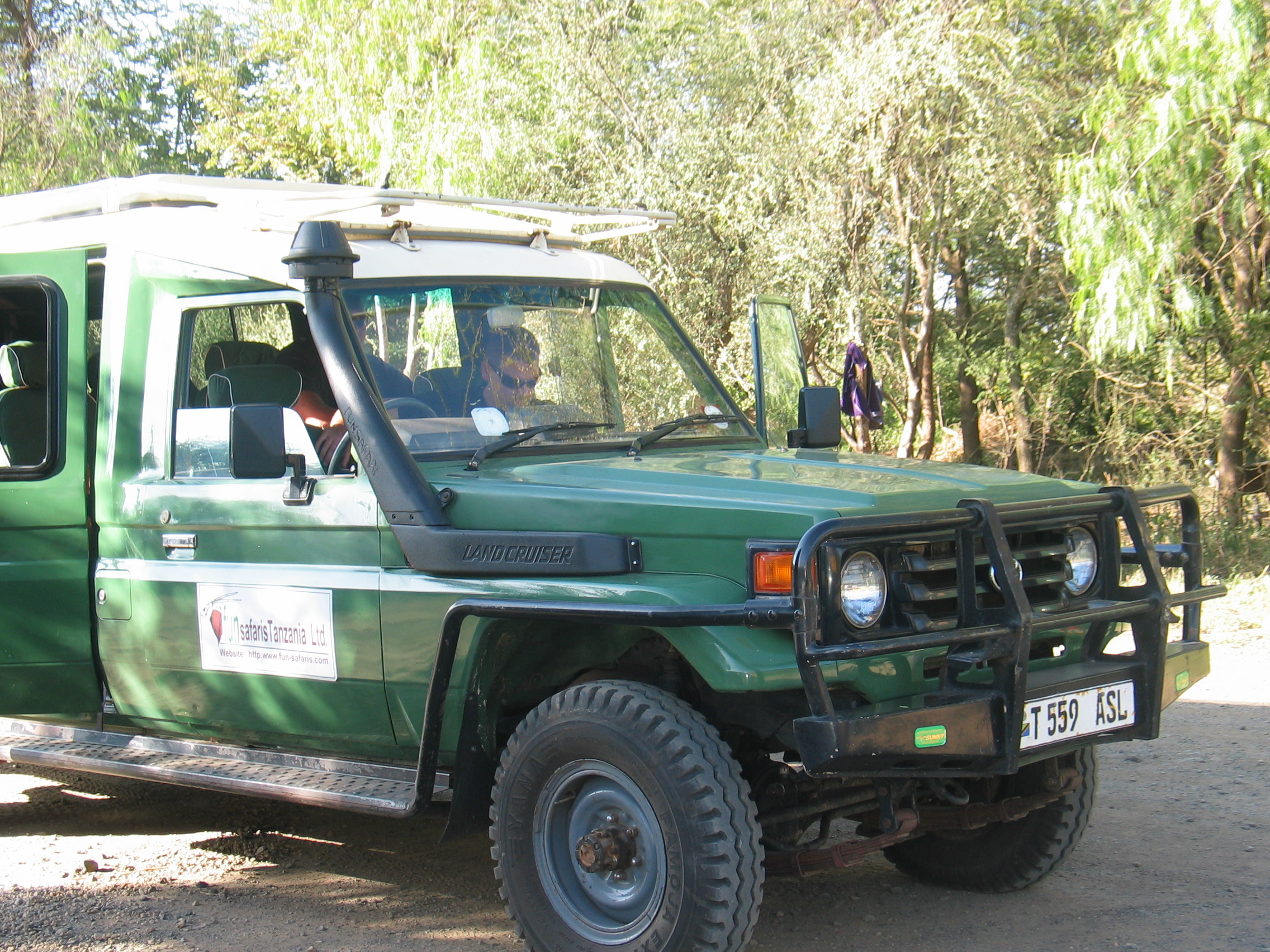
Serengeti – Game drive 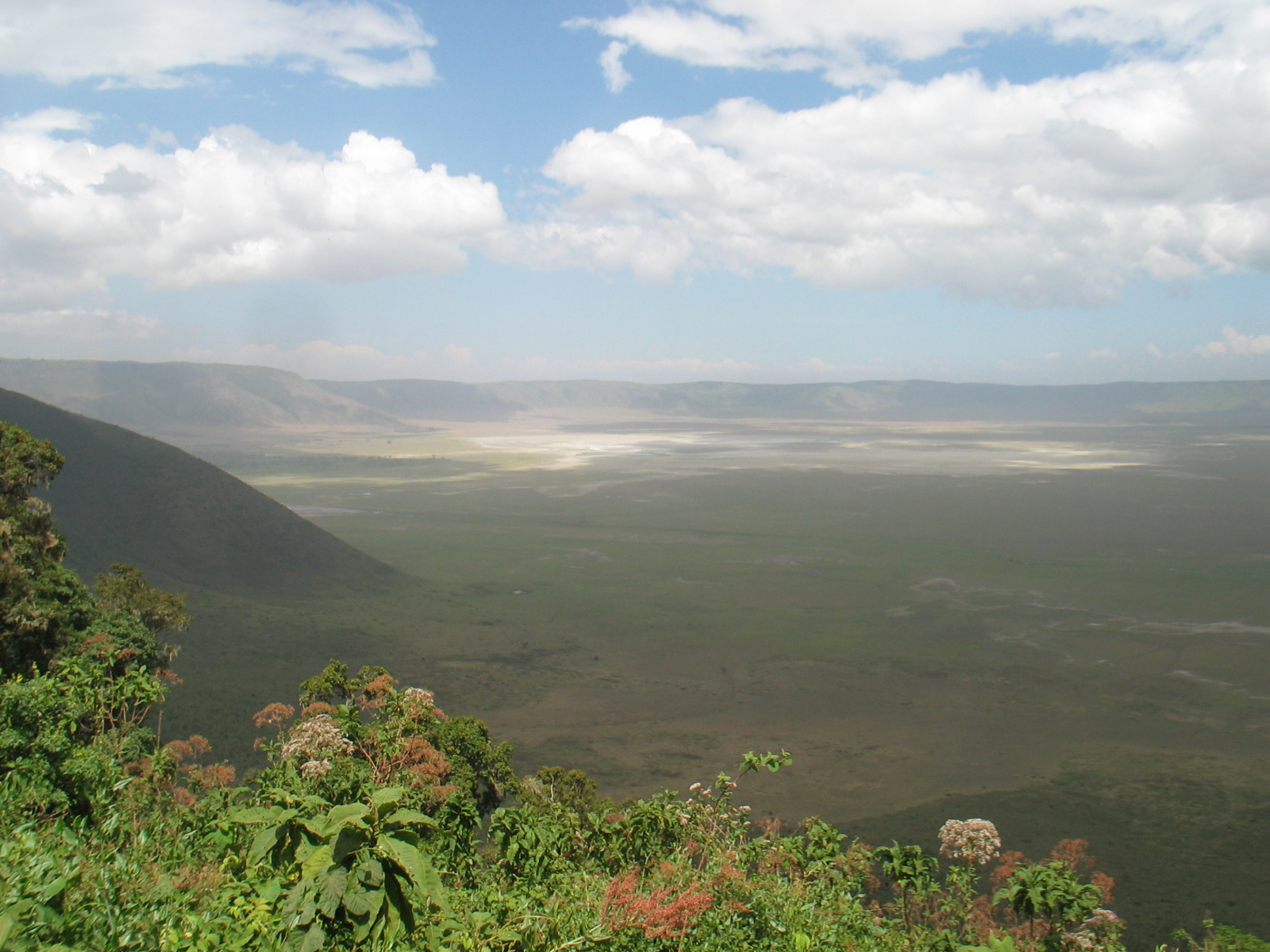
Tanzania – Ngorongoro Crater 
Ngorngoro Crater – The creator of the Serengeti Plains 
Top night – Camping in the Serengeti 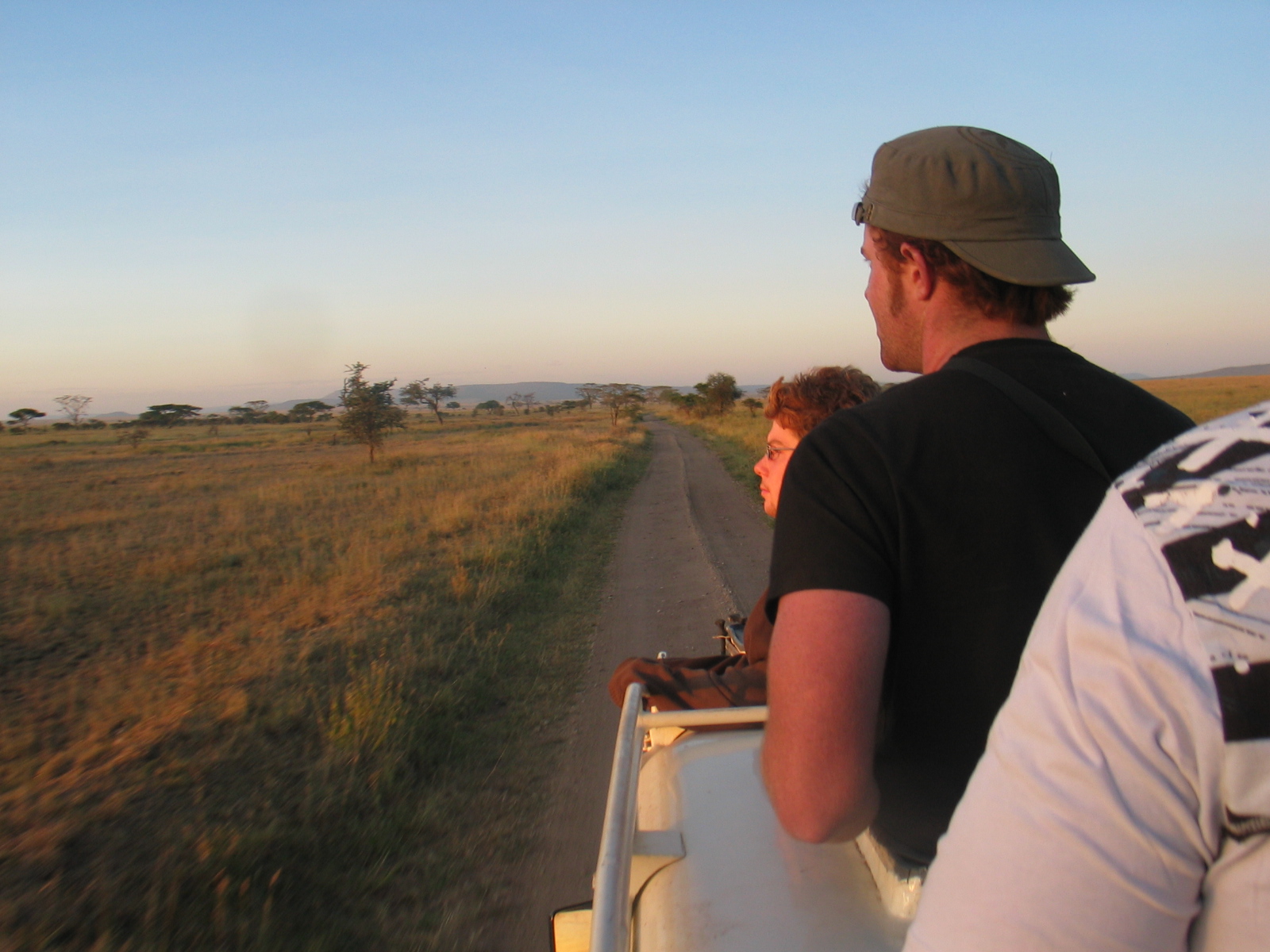
Serengeti Truck – Game drive with the crew – Jacko (UK), Maggot & Muppet (NZ), Nigel & Bridget (AUS) 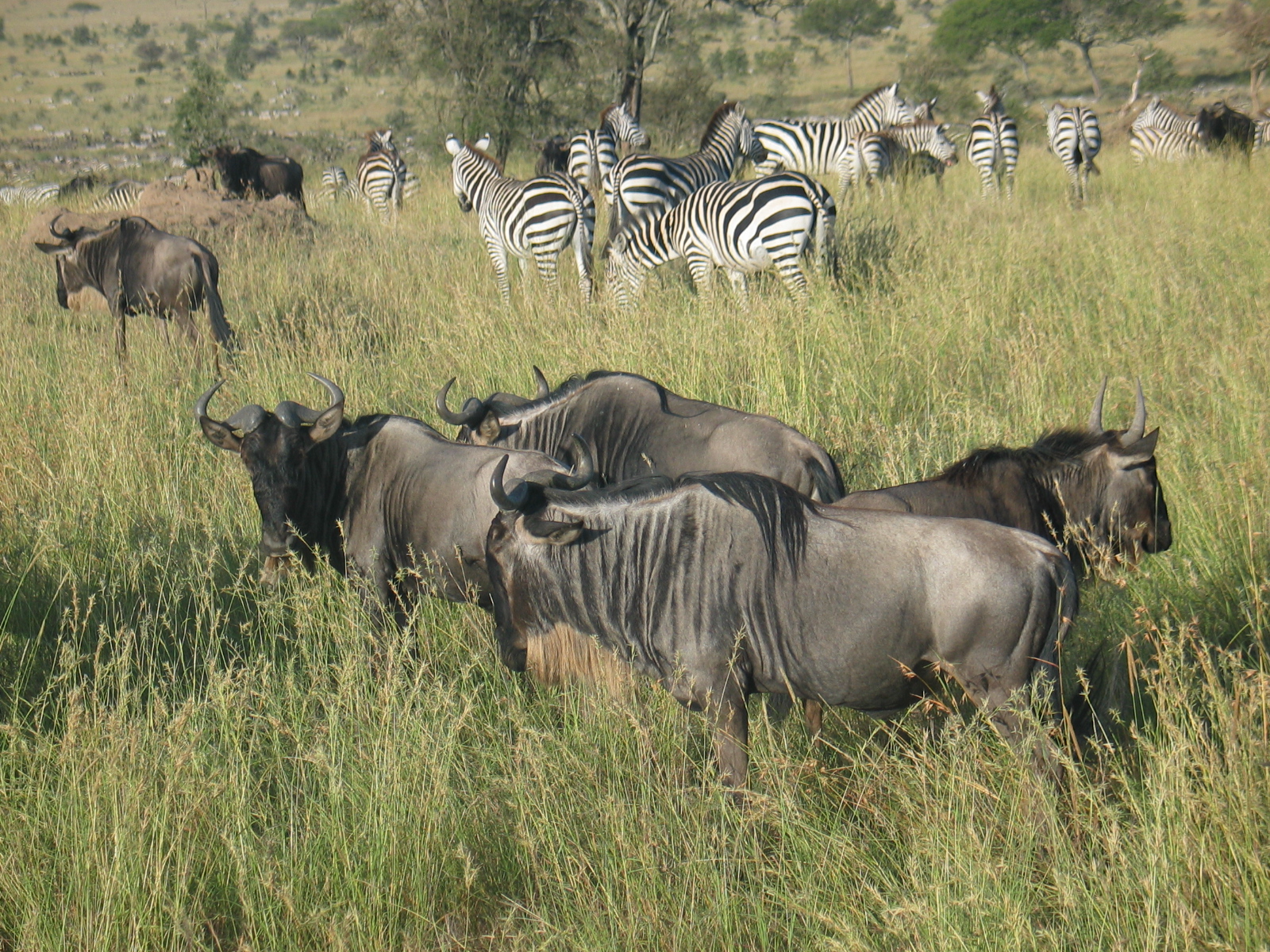
The Great Migration – an fathomable experience 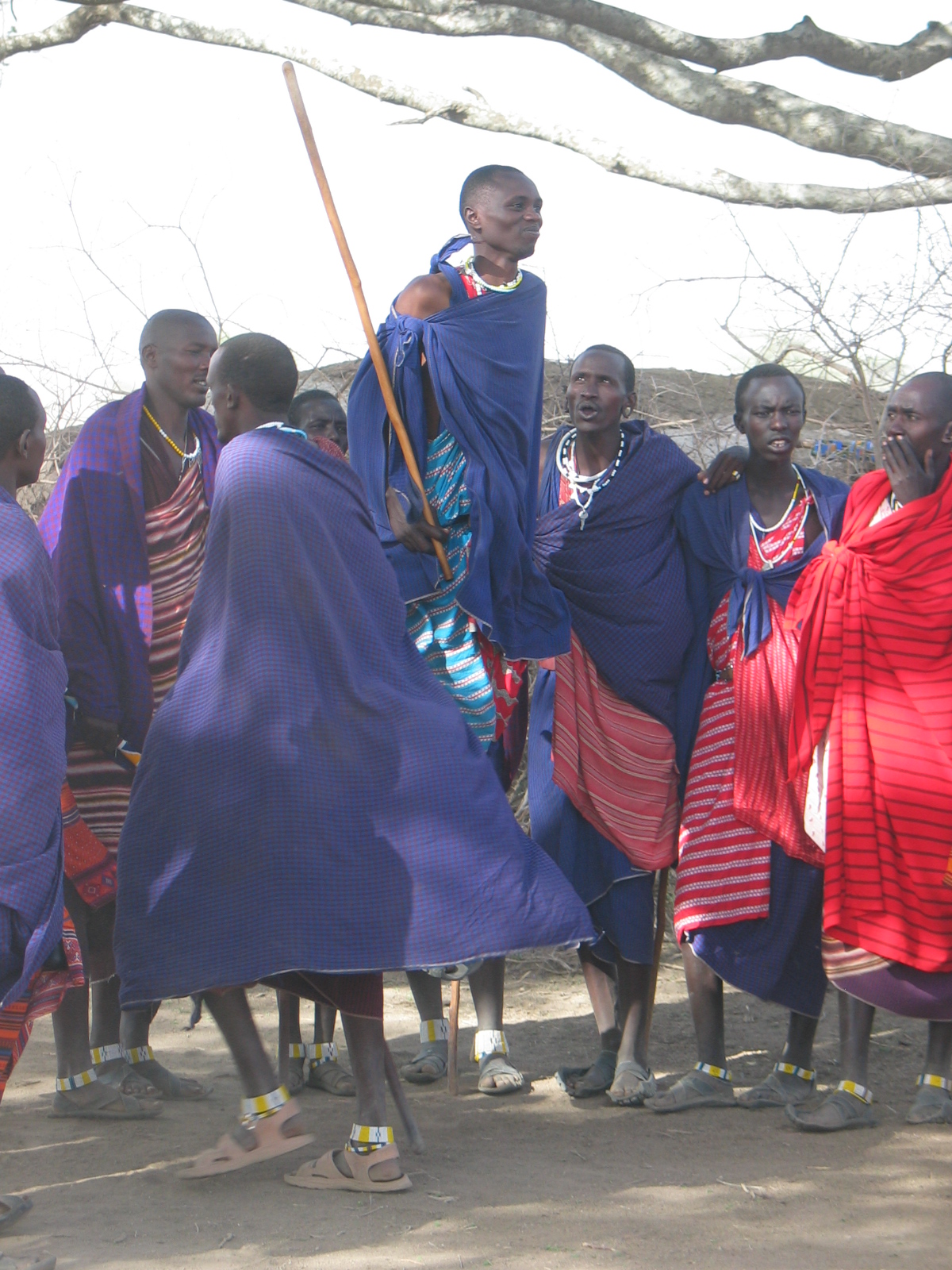
Lion hunters – The Masai (Serengeti) 
Masai village with Samy n Jacko 
Giraffe’s on the Serengeti ridge. 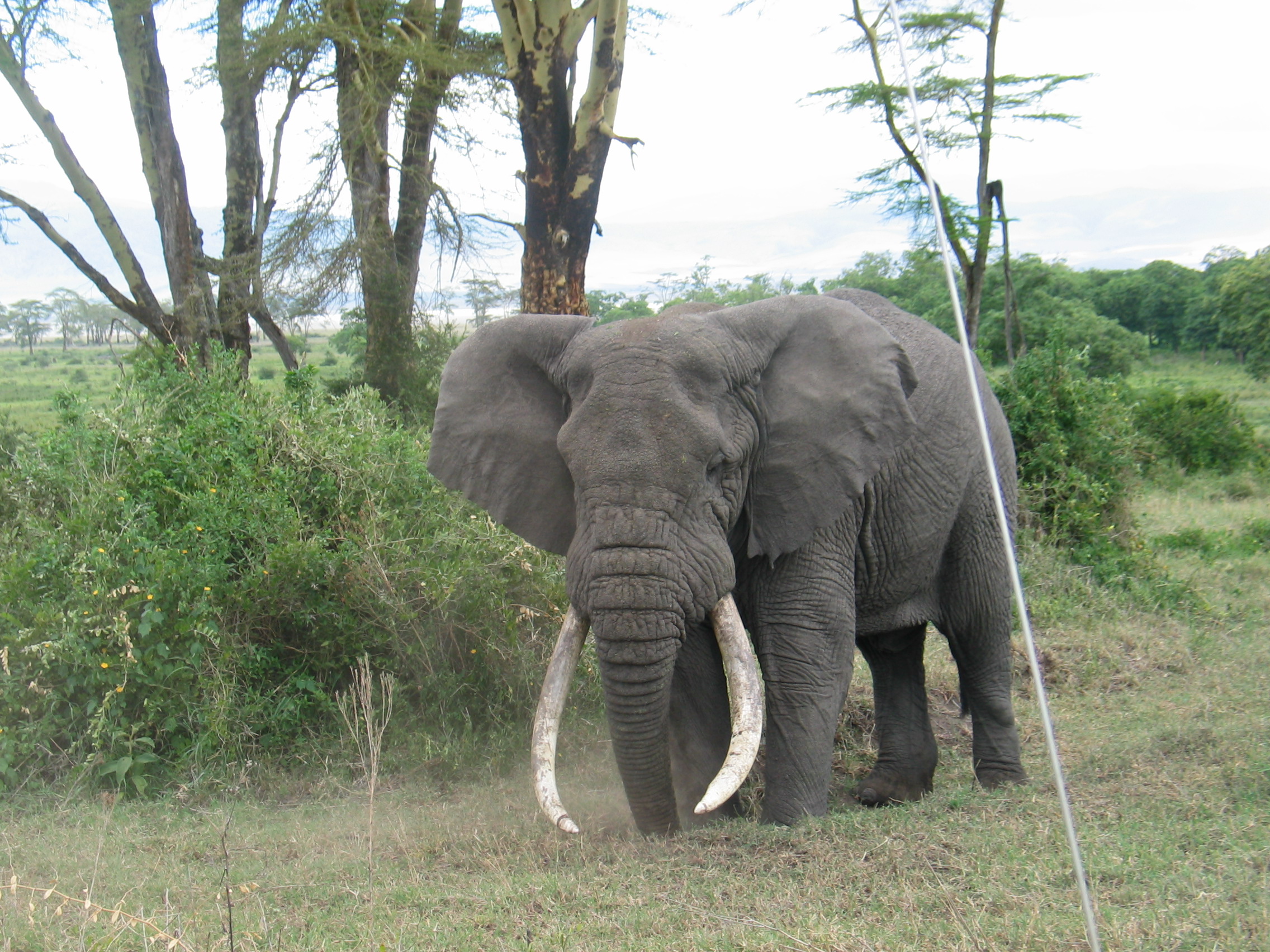
True Tusker – with tusks touching the ground. A rare find in the Ngorongoro crater 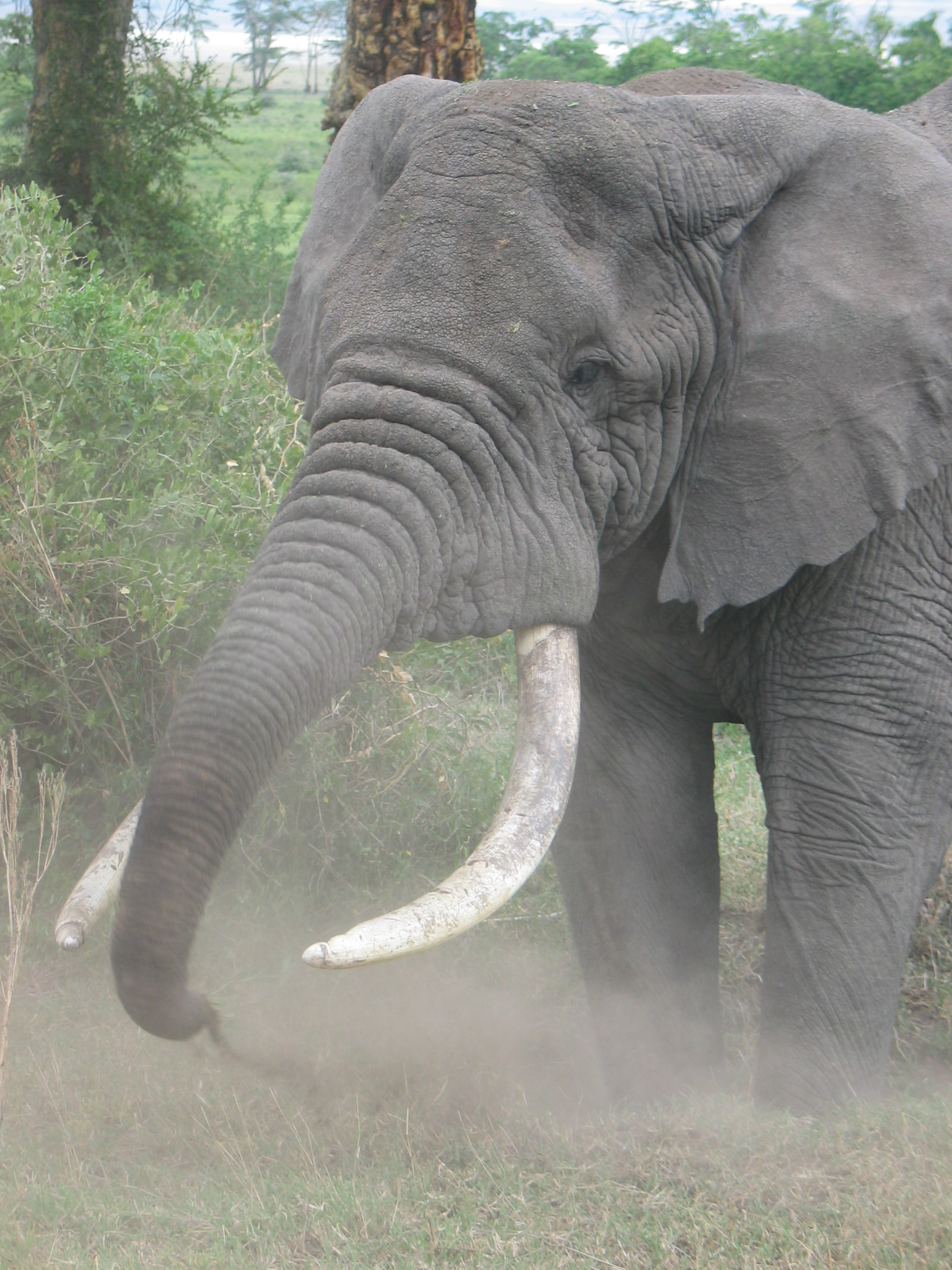
Power of the bull – Serengeti/Ngorongoro 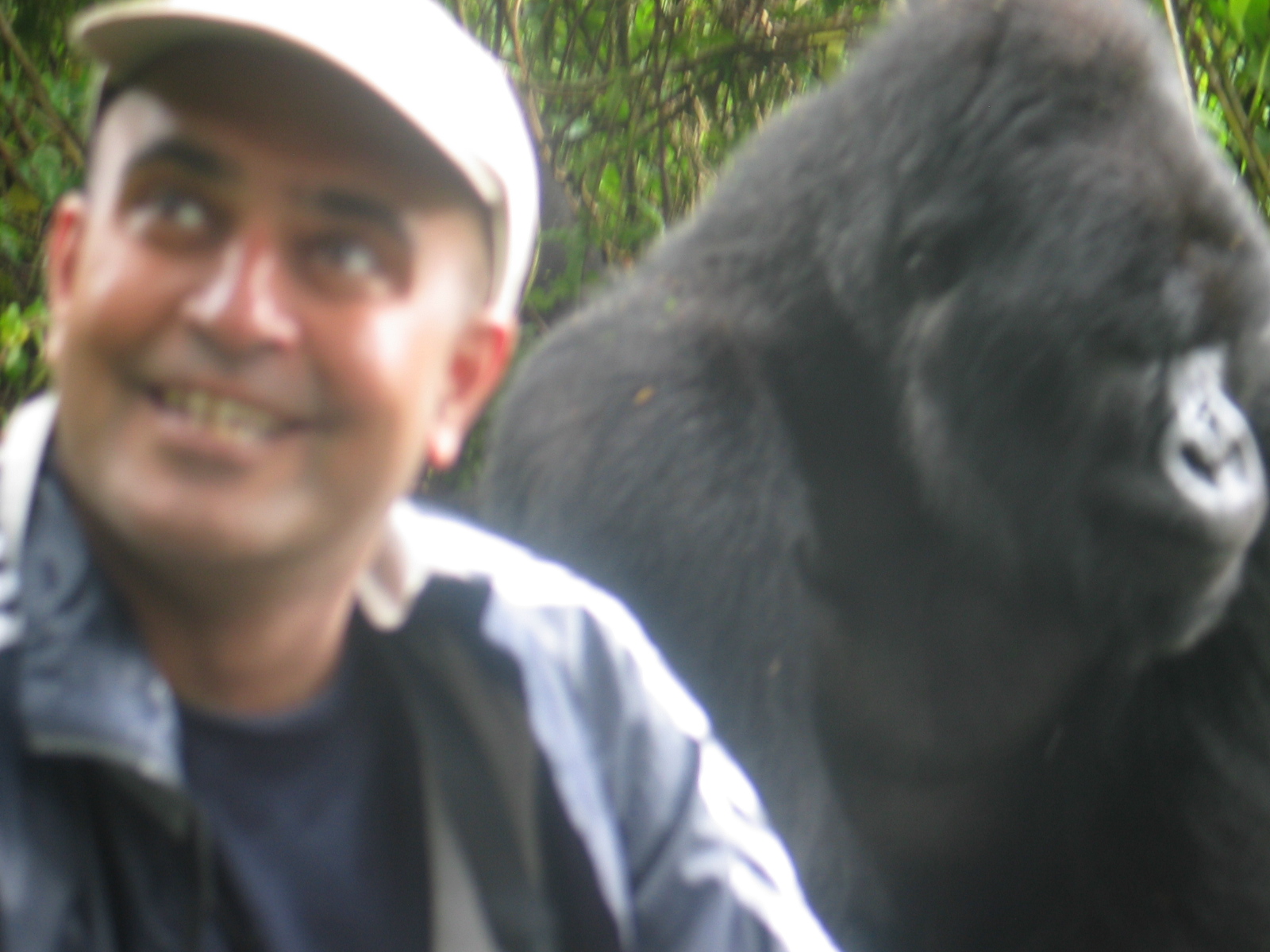
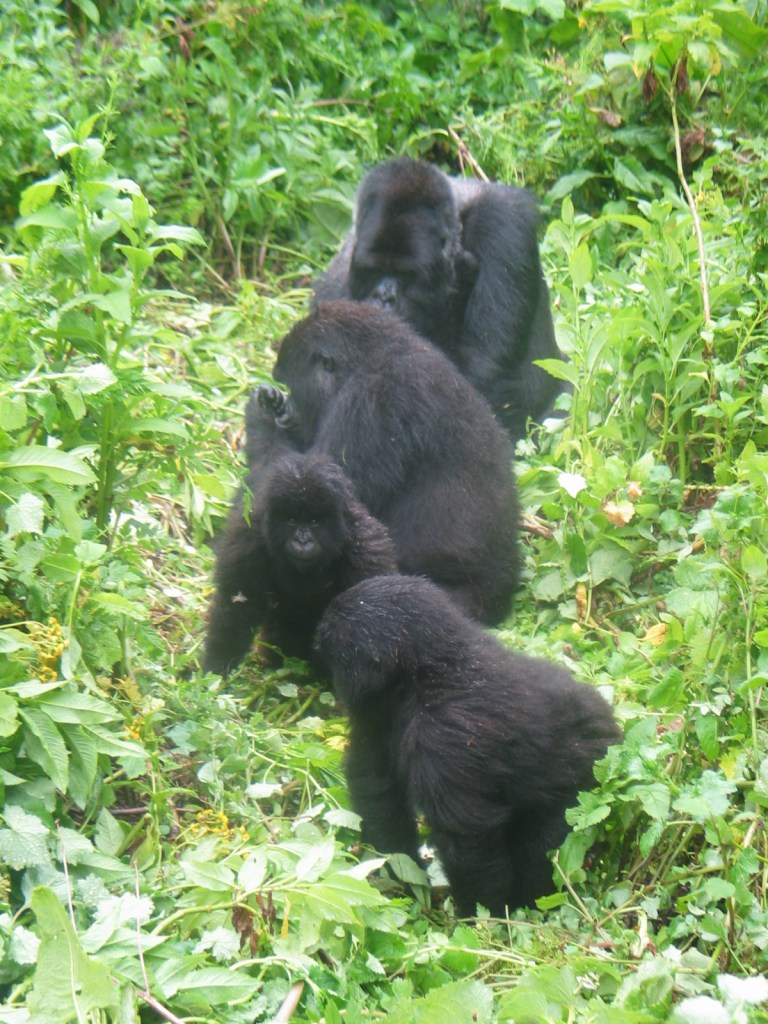
Gorillas in the Mist, Rwanda 
The Great Ape, Eastern (Mountain) Gorilla [Genus: Gorilla Beringei Beringei], Volcanoes National Park, Rwanda. 
As good (close) as it gets. Ultimate experiences while chasing my 1988 dream to come face to face with Gorillas in the mist at 5,000 ft. ASL on Mount Karismbi, Volcanoes National Park, Rwanda 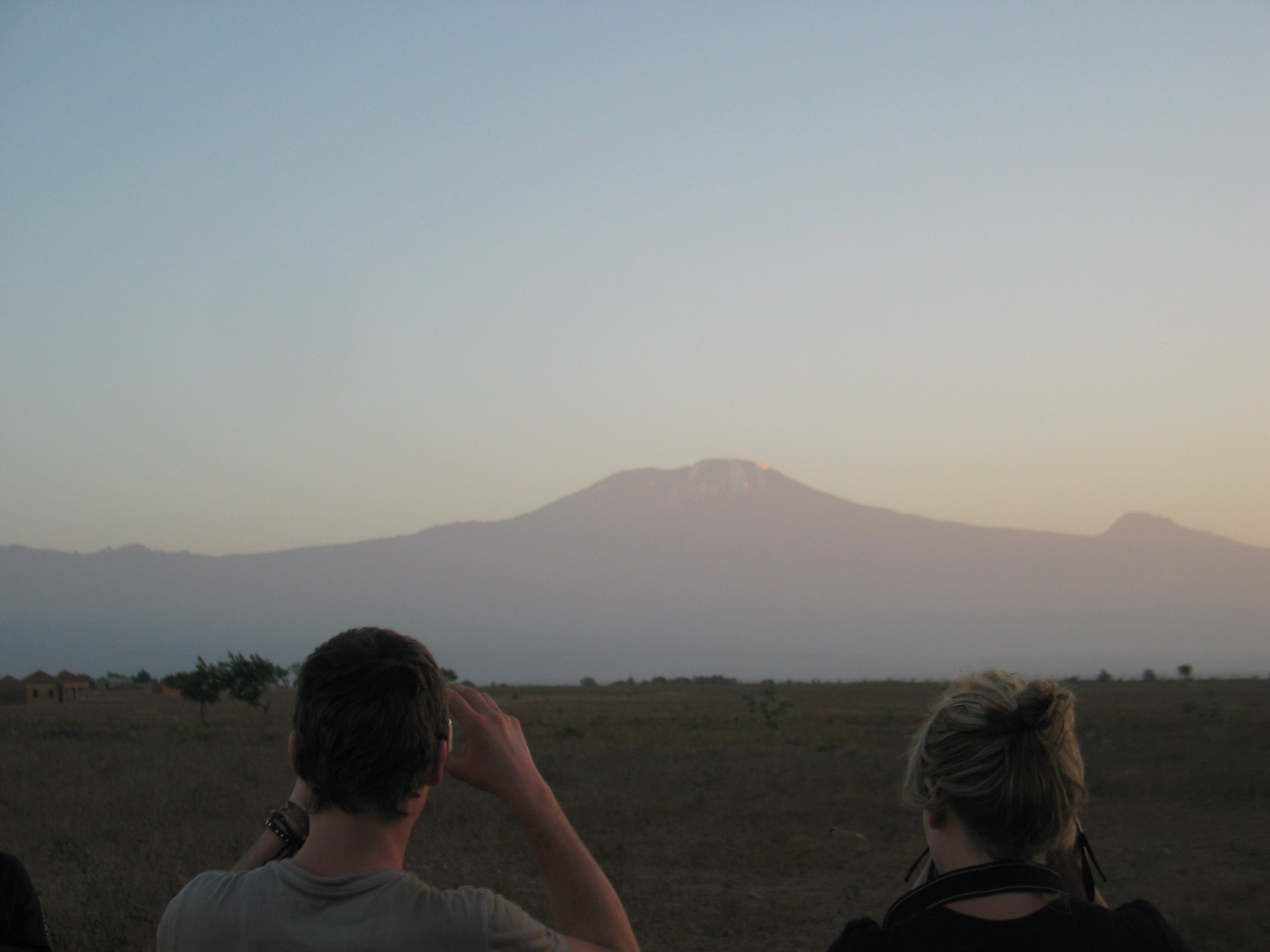
Mount Kilimanjaro from Arusha, Tanzania 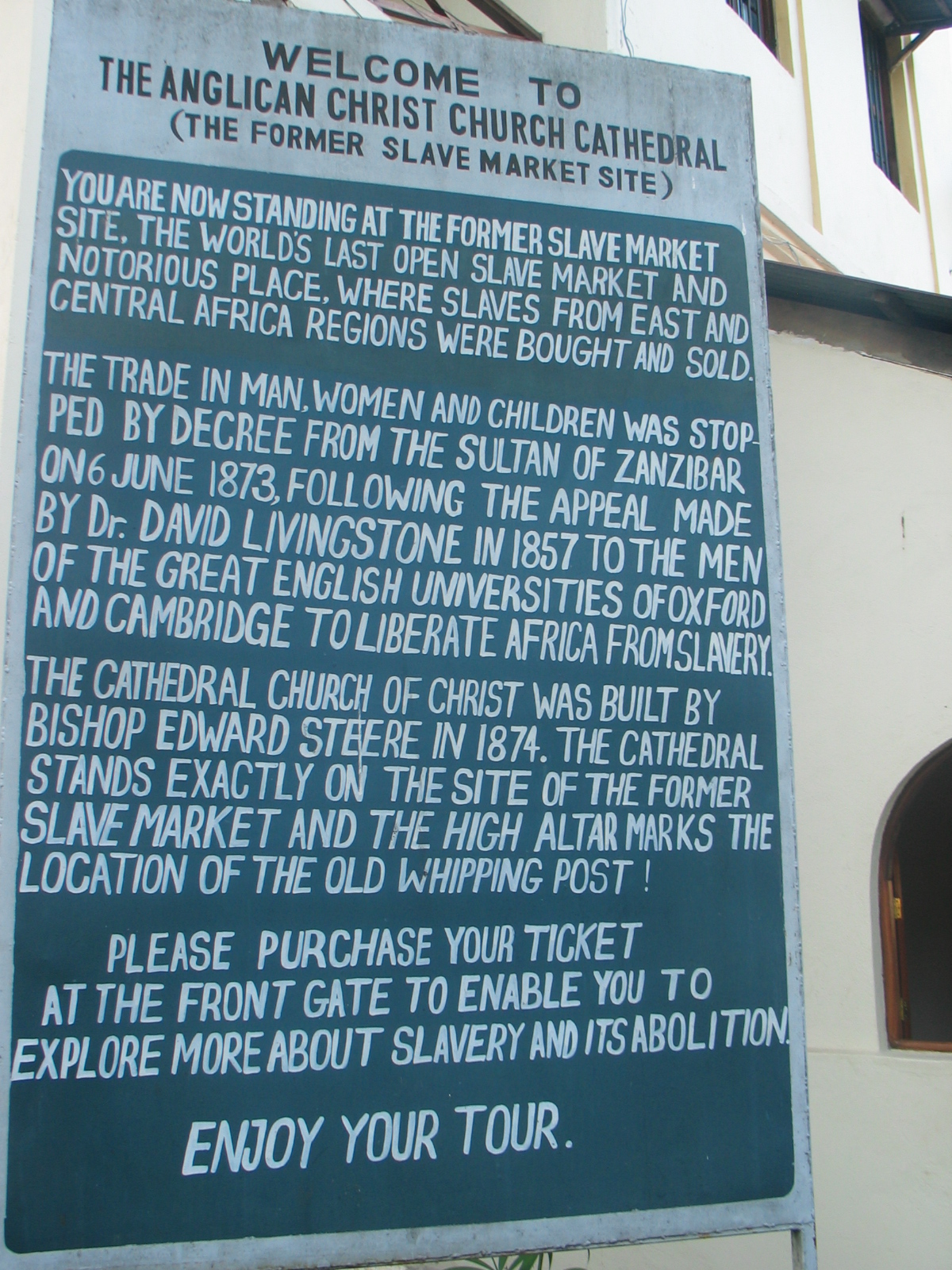
Zanzibar – A place in time 
Zanzibar – Colonial lodgings 
Old town Zanzibar 
After a month in the bush, a well deserved chill week in Zanzibar 
A dive with the dolphins, Ocean National Park, Zanzibar 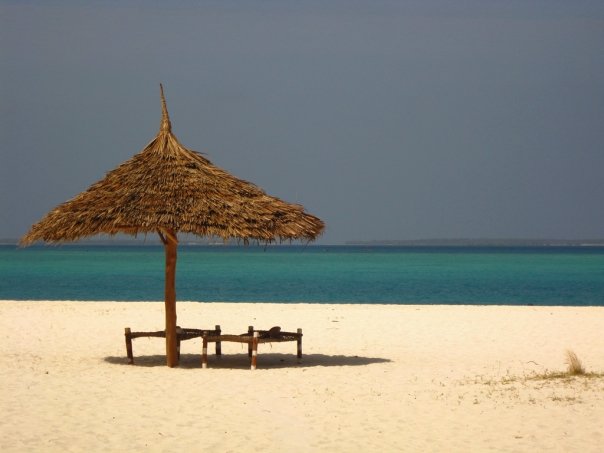
The perfect shot, Zanzibar 
Hyena, Malawi 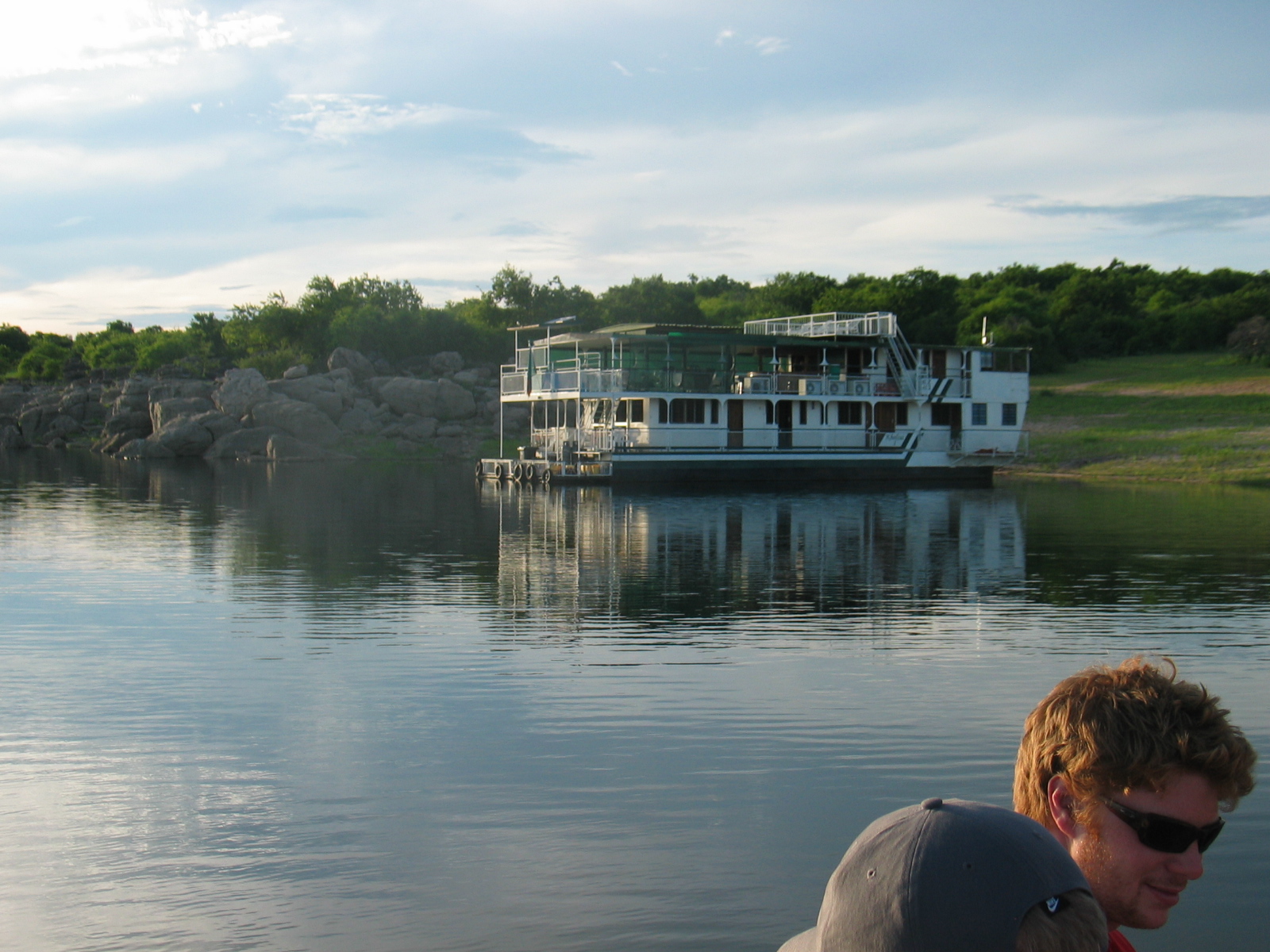
A part of the 500km long Lake Malawi in the rift valley, Malawi 
Sunset at Lake Malawi, Malawi. 
Mosi-oa-Tunya (The Roar that Thunders), Victoria falls, Zambia 
Double Rainbow, Victoria Falls 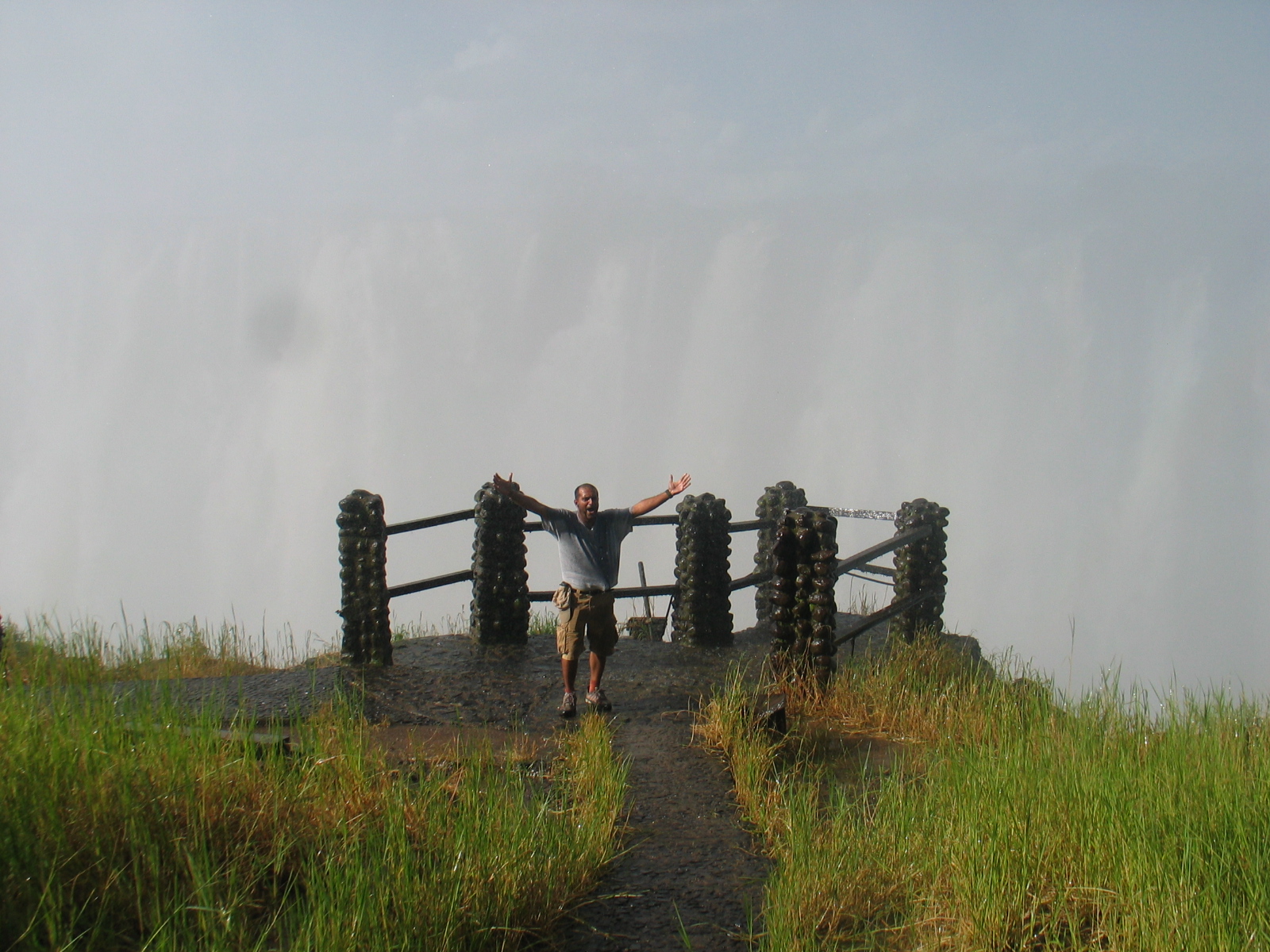
Immersed in the mist of Victoria falls, Zambia 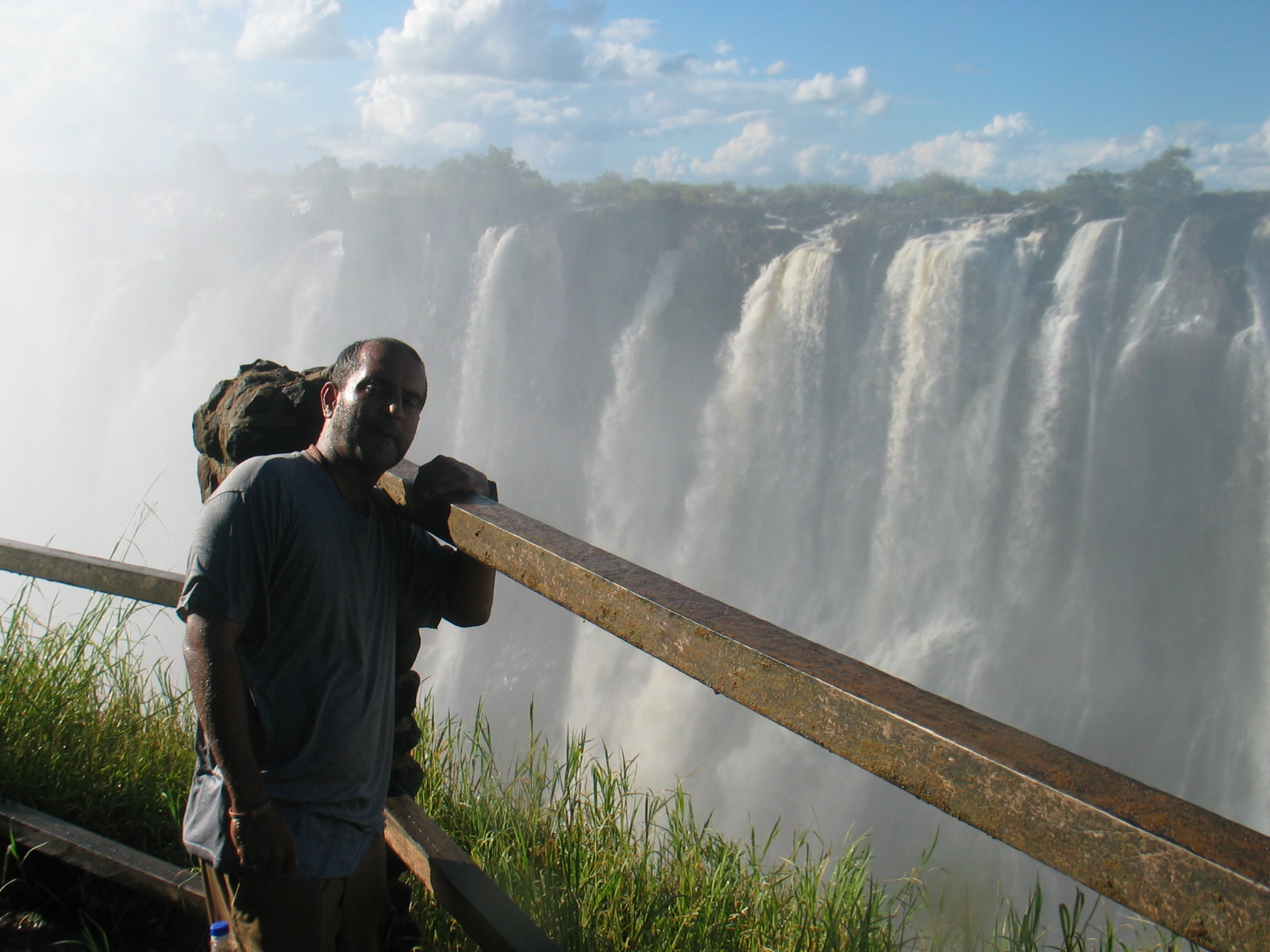
Just can’t get enough at the Mosi-oa-Tunya, Victoria Falls 
Hello Hello! Mosi-oa-Tunya 
The veil between Zambia and Zimbabwe, blessed by a rainbow! 
Flying over Zambia and Zimbabwe, Victoria Falls 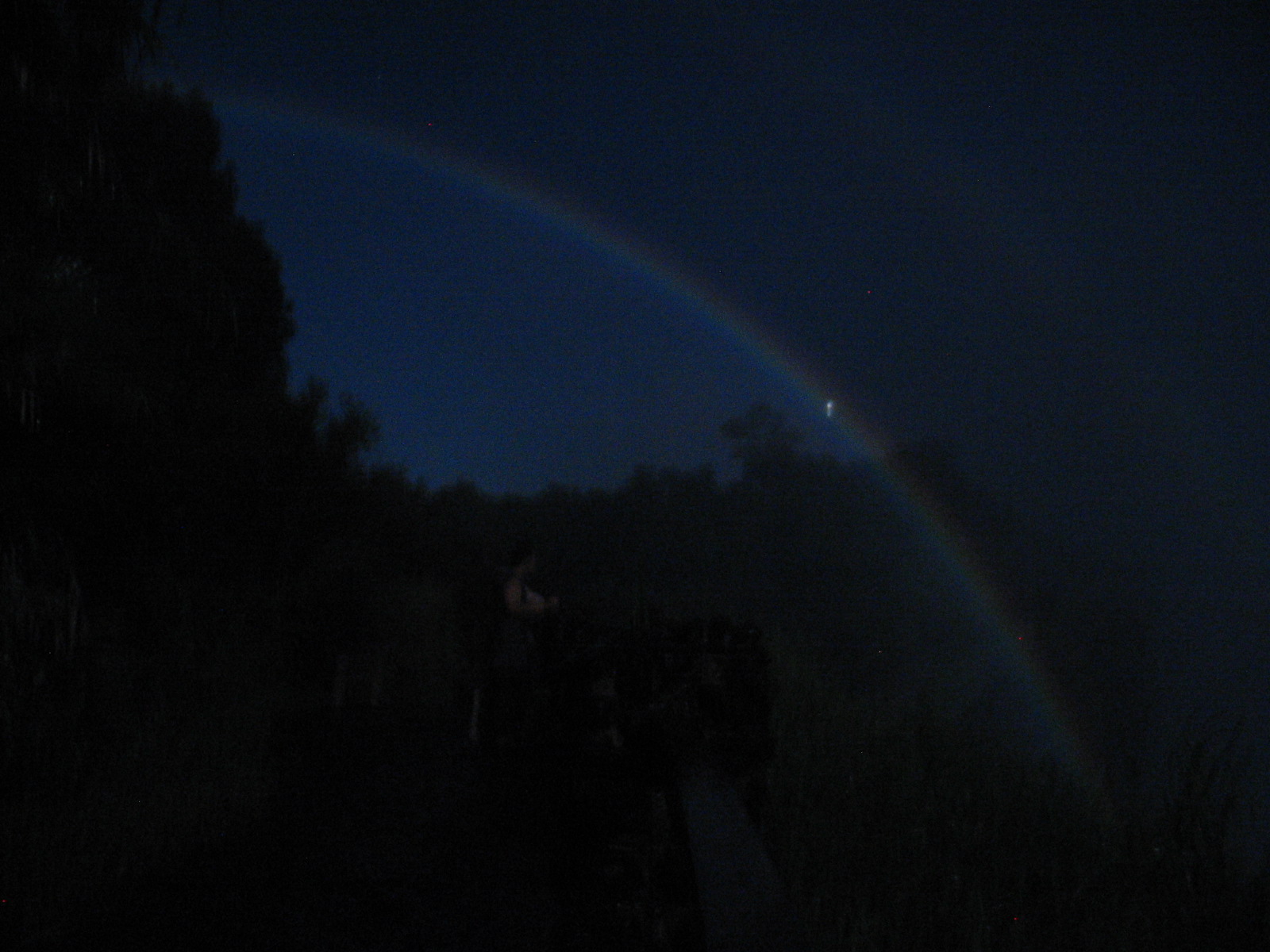
Midnight Rainbow, Best shot ever, Zambia 
Walking with Lions, Zimbabwe 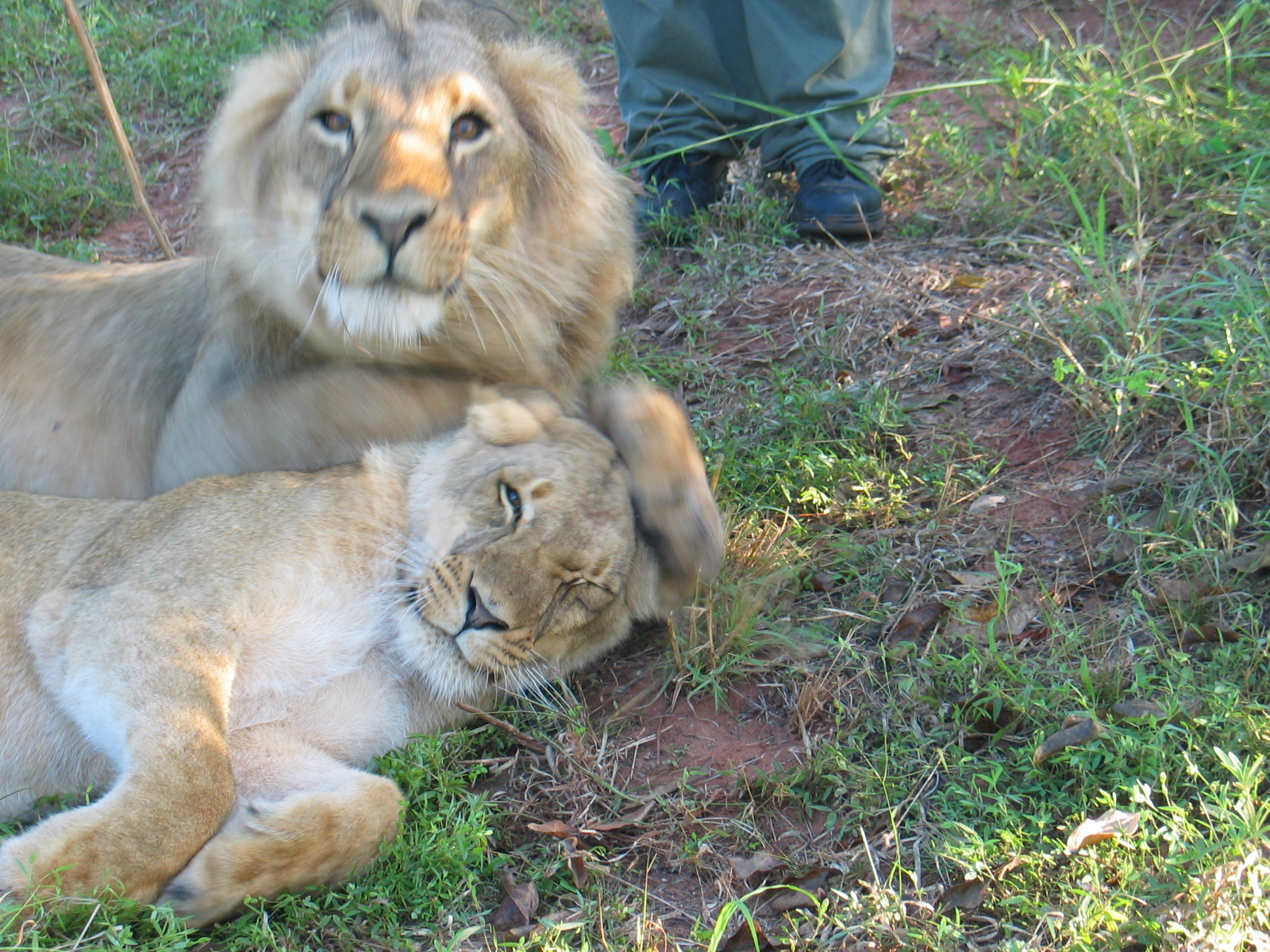
Charging lions, Zimbabwe 
First contact with a (preggy) caracal, Zimbabwe 
Flying over the Victoria Falls, Zambia 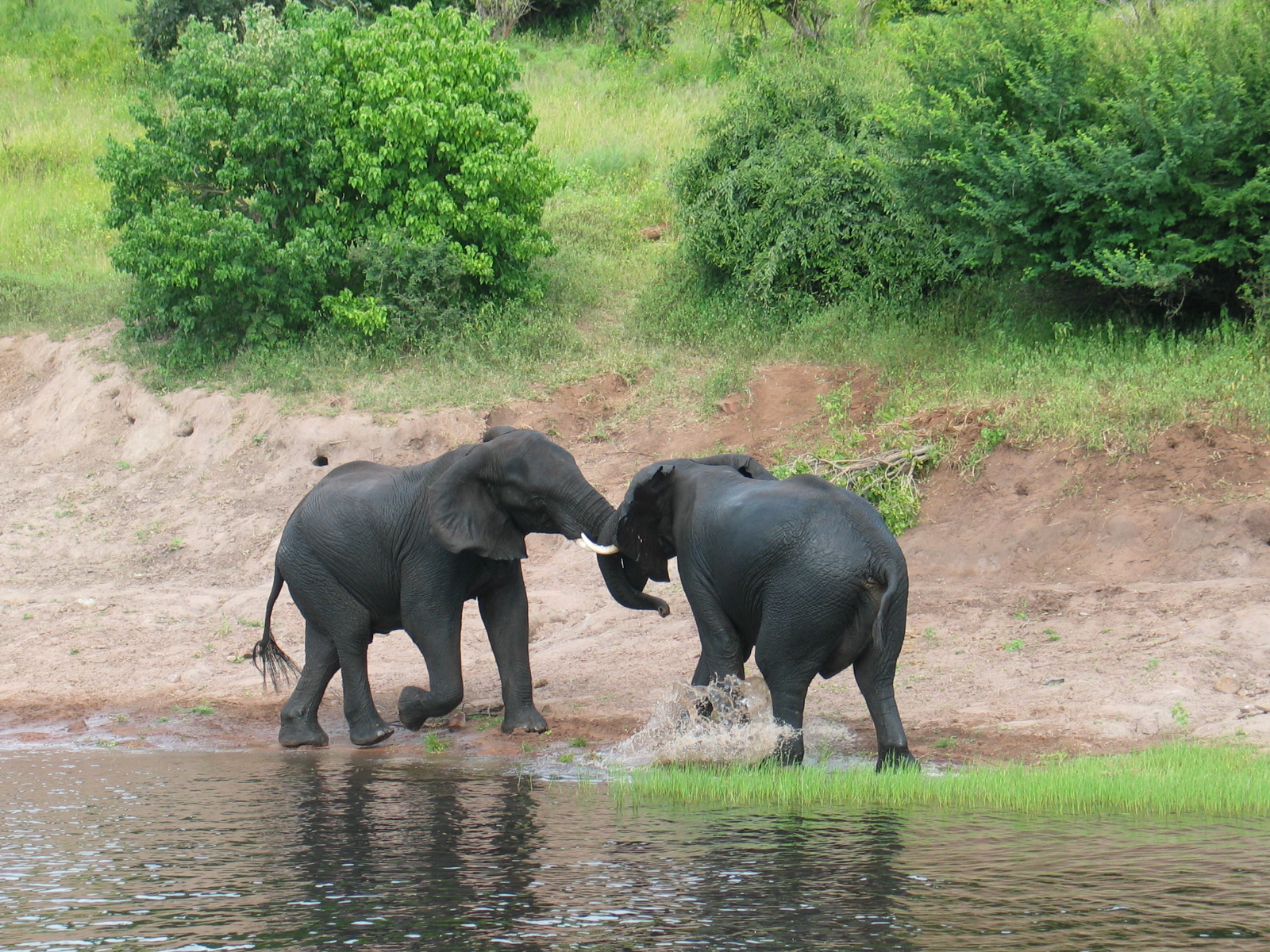
Chobe National Park, Botswana 
Okavango Delta, Botswana 
Riding a Mokaro, Okavango Delta, Botswana 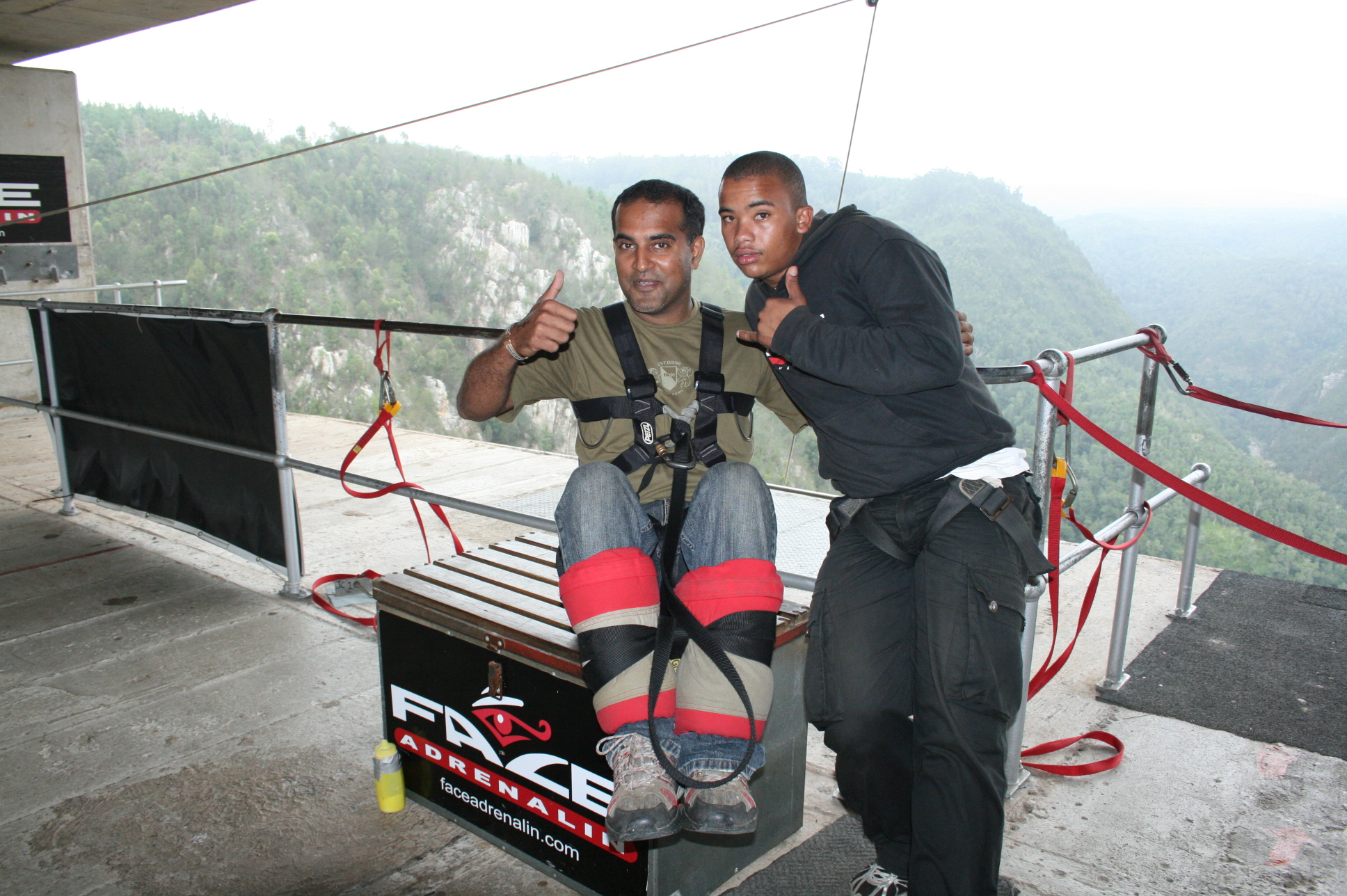
Take a chance on me and dare – The world’s highest commercial bungee, Tsitsikamma, South Africa 
A leap of faith, ‘Face your Fear’, off the Bloukrans Bridge, South Africa 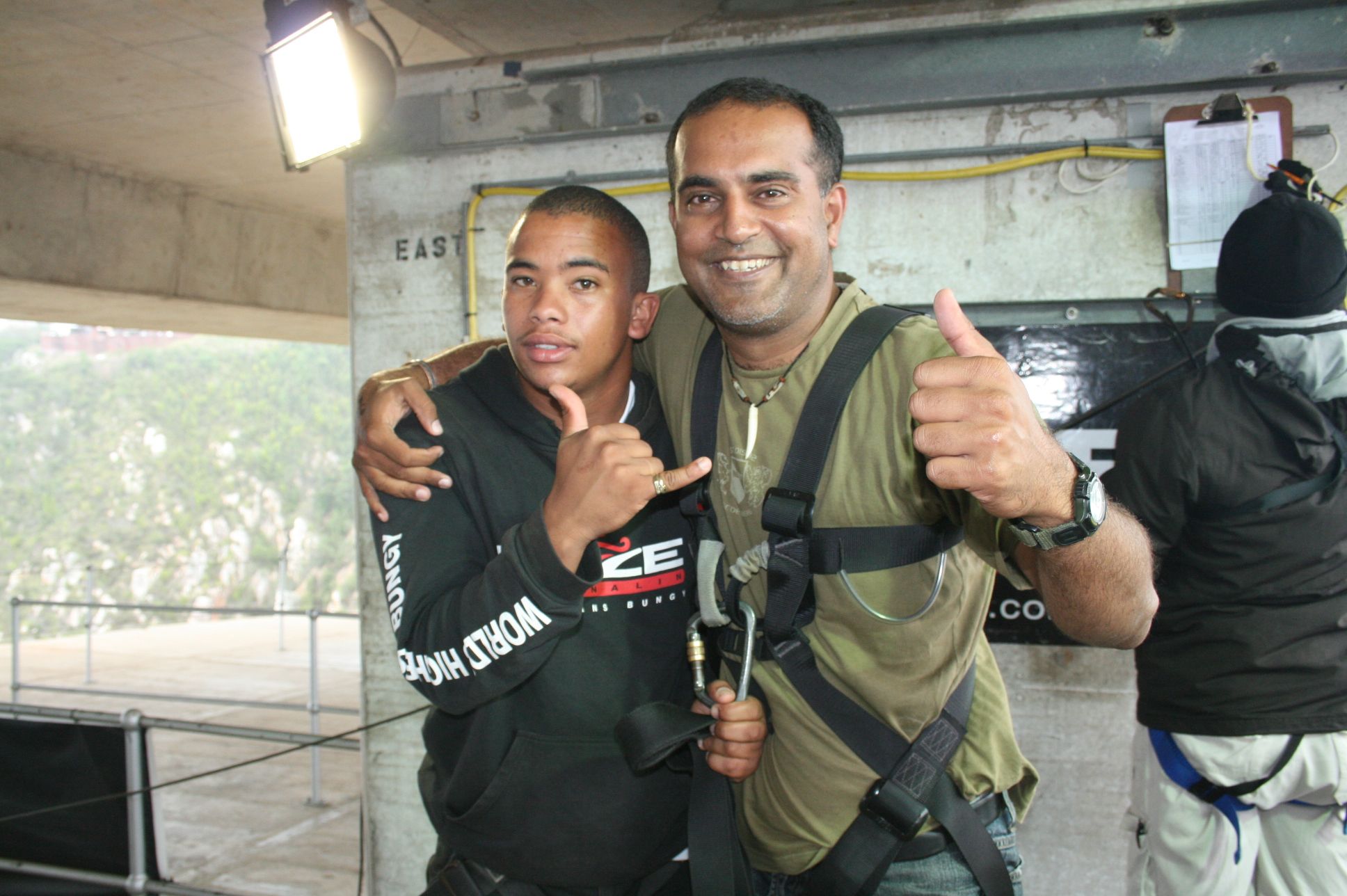
Fear Conquered, Life’s good – Can’t help falling in love with you!!! Thank you @www.FaceAdrenalin.com, South Africa 
Enroute to the Bazaruto Archipelago, Mozambique 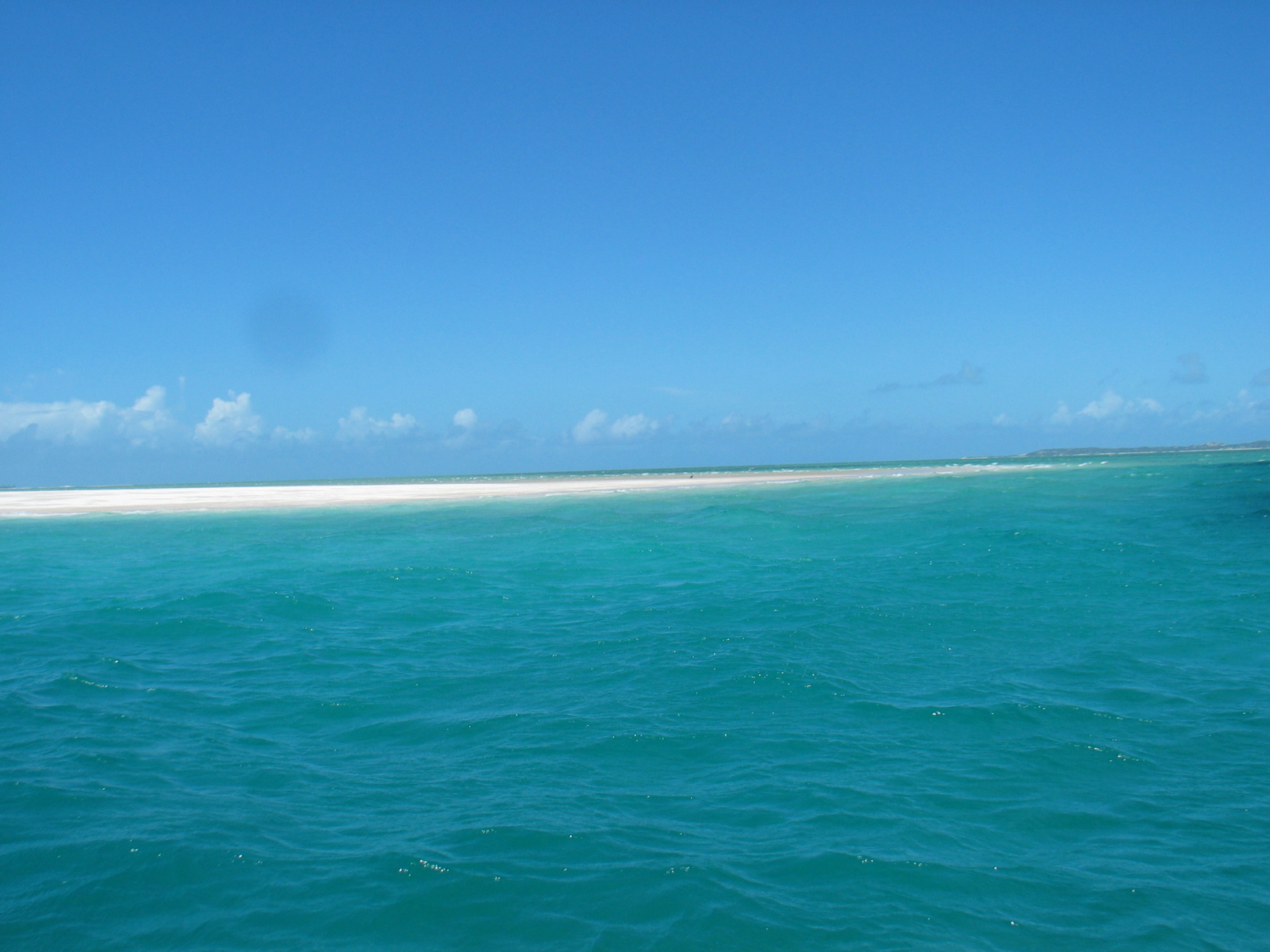
Sand bars in the Ocean, Mozambique Channel, Mozambique 
The low lying flat islands of the Bazaruto Archipelago, Mozambique 
Staying overnight on a un-manned island, Bazaruto Archipelago, Mozambique 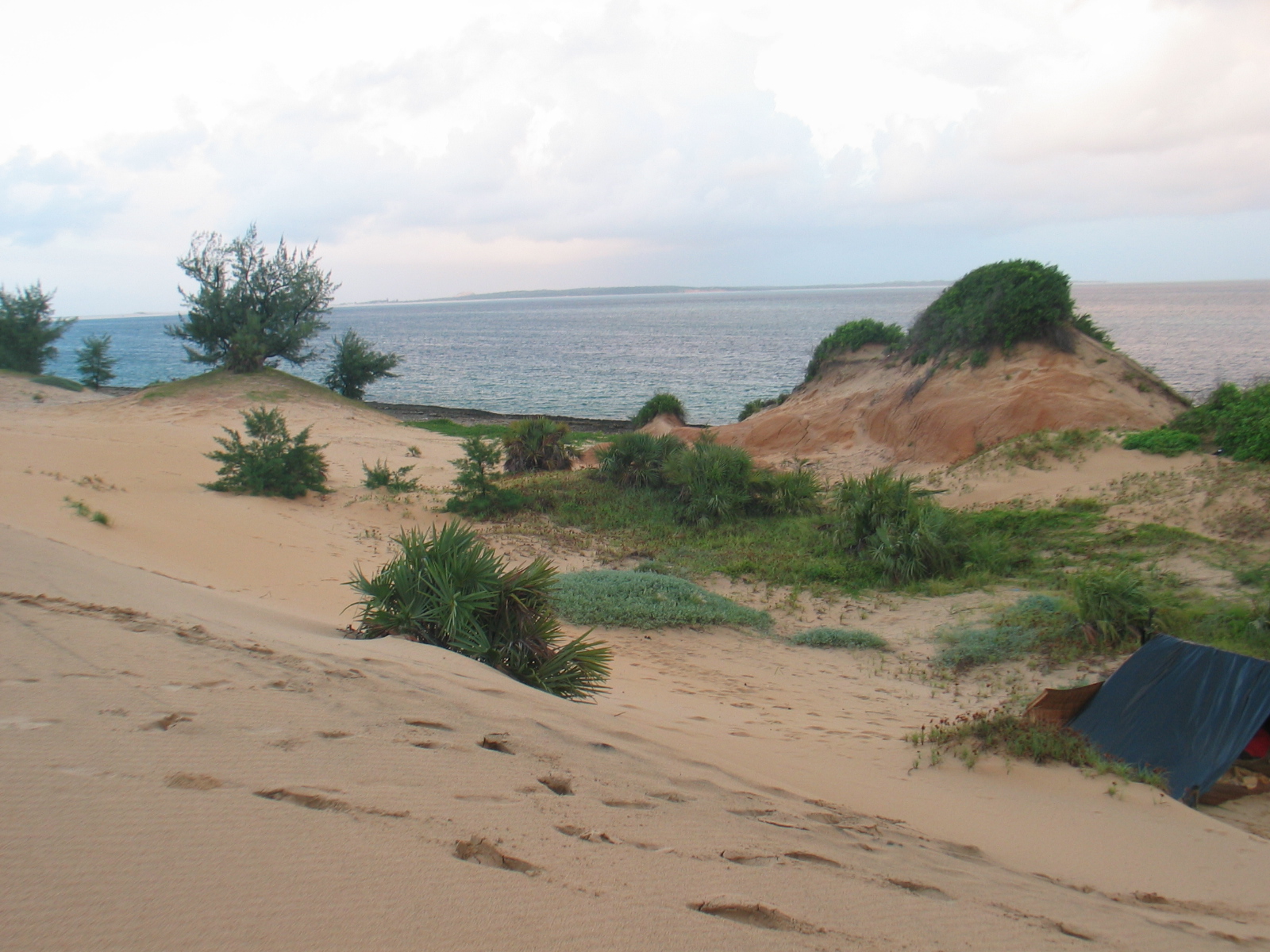
Almost sunset on the un-manned island, Bazaruto Archipelago, Mozambique 
Snorkelling, Maputo, Mozambique 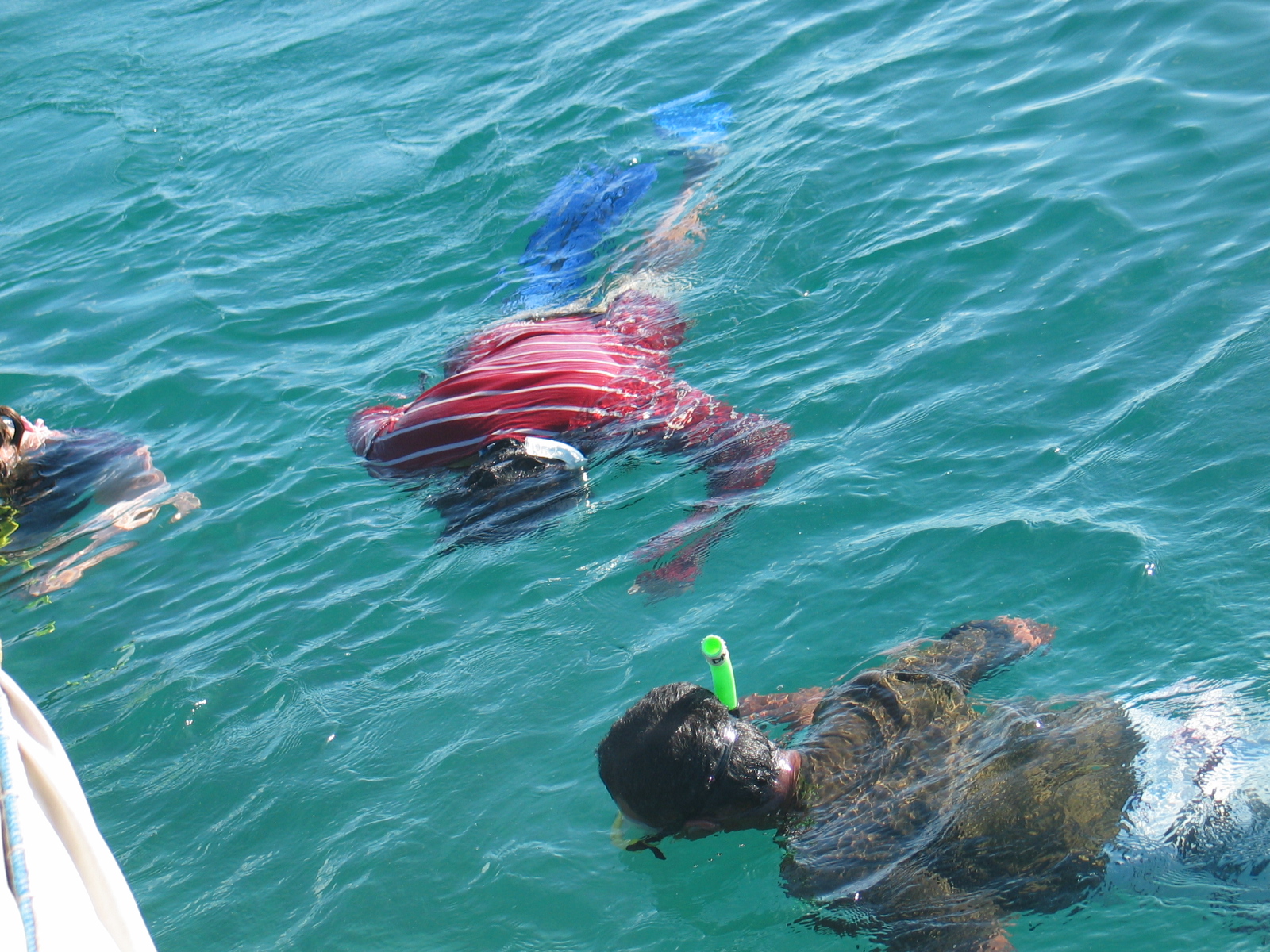
You can almost catch the fish by hand, Tofu Beach, Mozambique 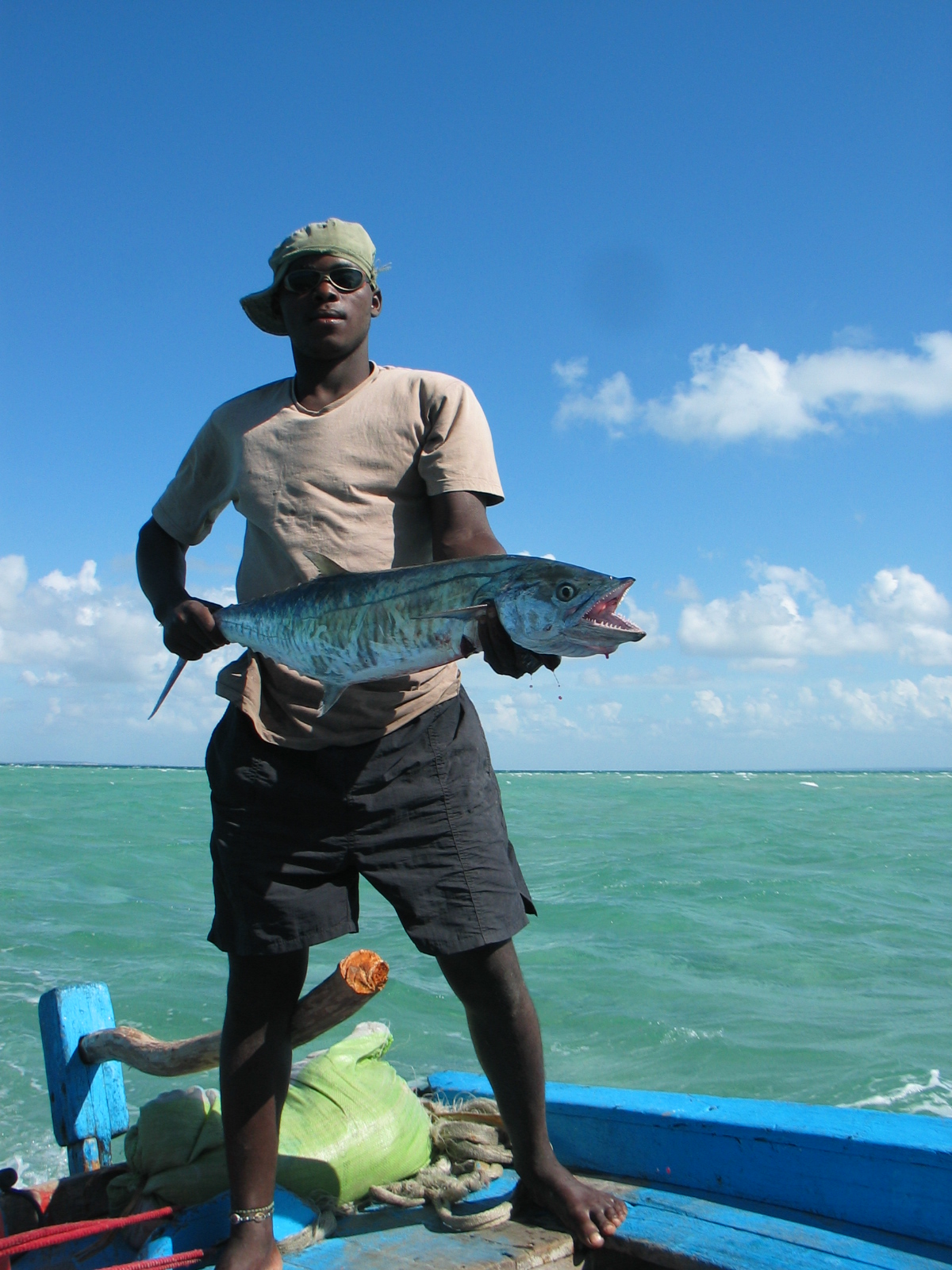
When fishing for dinner as you sail, if your line brings in a barracuda, Life’s good – Bon Apetite!! Mozambique Channel, Mozambique
This remarkable journey also brought into focus the reality of human–animal conflicts, the decimation of natural habitats, and the extent to which mankind depends on nature. It made me pause and ask myself: “What can be done?”—which naturally led to the thought: “Why not contribute to the conservation cause in India to help prevent such situations and protect our green spaces?” And what better place to start this than to do something for India under Project Tiger – my fav? Upon inquiry, the Forest Department shared their primary goal: “If you can help us create inviolate space, you would significantly advance conservation efforts.” Something inside me quietly responded, “Sure, why not?”
These learnings soon became a call to action, marking the beginning of a new journey in conservation and sustainability. Following an honorary appointment with the Rajasthan Forest Department as a Good Will Ambassador (Conservation Catalyst), the challenge was to facilitate the voluntary relocation of over 1,000 families across multiple villages to a better life within civil society. This effort, in turn, would help restore hundreds of sq. kms. of land as inviolate space—supporting conservation and integrated landscape management for the benefit of communities, their livelihoods, the landscapes, and biodiversity!! It has been a delight to share my life journey and experiences with diverse audiences, and help contribute to societal awareness and outreach. Read the ↓ 2011 Conservation and Speak Introduction brief.
Absolute Safari – The routes & borders crossed on the African subcontinent.
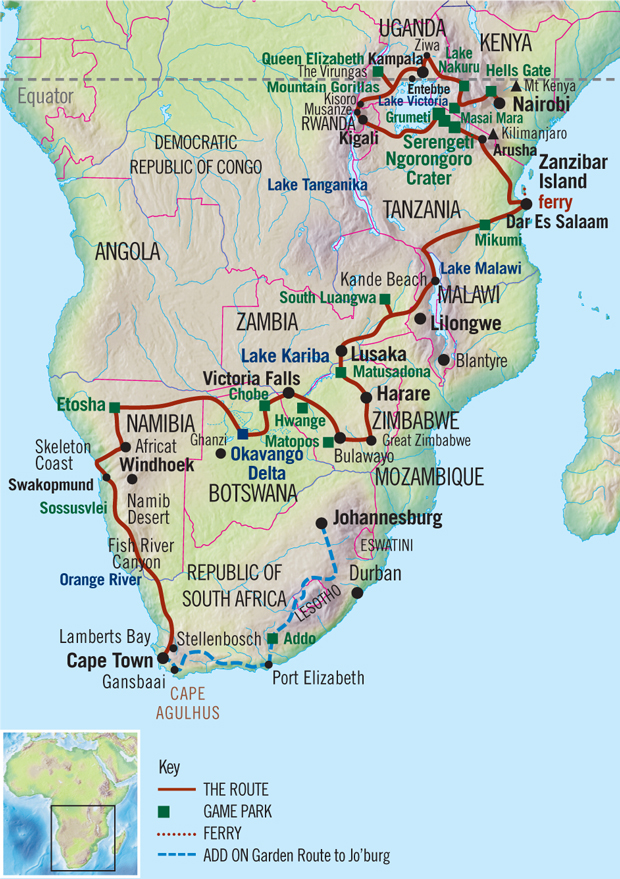
Overland Route A (Guided – 12 weeks)
Kenya (Nairobi N.P., Lake Nakuru N.P), Uganda (Kampala, Entebbe, Lake Victoria), Rwanda (Kigali, Volcanoes N.P), Uganda (Lake Edward, Jinja, Nile), Kenya (Old Paieta Sanctuary), Tanzania (Serengeti N.P., Ngorongoro Crater, Lake Manyara, Lake Tanganyika), Zanzibar, Malawi (Lake Malawi N.P.), Zambia (Mosi-oa-Tunya N.P. Victoria Falls, Lusaka N.P), Zimbabwe, Botswana (Chobe N.P), Namibia (Etosha N.P.), South Africa (northern, western and eastern Cape).
Overland Route B (Self – 13 weeks)

Part I – South Africa (Garden route, Coffee Bay), Lesotho, South Africa (KwaZulu-Natal), Swaziland, South Africa (Mpumalanga, Kruger N.P.), Mozambique (Limpopo N.P., Bazaruto Archipelago N.P.), South Africa (Mpumalanga, Sun City, Limpopo)

Part II – By Air to Rwanda (Kigali, Gisenyi), Democratic Republic of Congo (Goma, Mt. Nyrigongo, UN-MONUC station, Kanyabayonga, Lake Kivu), Rwanda (Mt. Bisoke, Gitarama, Butare), Burundi (Bjumbara), Rwanda (Nyungwe Forest), By Air to South Africa (Mpumalanga, Johannesburg), United Arab Emirates (ADB).


 Bhushan H. Sethi