
JULLAY!
After spending close to three decades in the mountains, the ones especially spent in the Himalayas have been surreal. Each of these experiences takes you closer to heaven and wants you to keep going back for more. Expeditions and experiences such as Goechala in Sikkim, Mount Everest Base Camp, and Gokyo Ri in the Sagarmatha region of Nepal, then Annapurna, Pin Parvati Pass expedition across Himachal and Spiti valley, the Great Lakes of Kashmir to name a few have been unique experiences. In addition to these travel across the larger Indian Himalayan regions of Ladakh viz, Turtuk, Siachen Glacier, Pangong Tso, Chusul, Hanle, and Tsomoriri have been wonderful delights to experience.
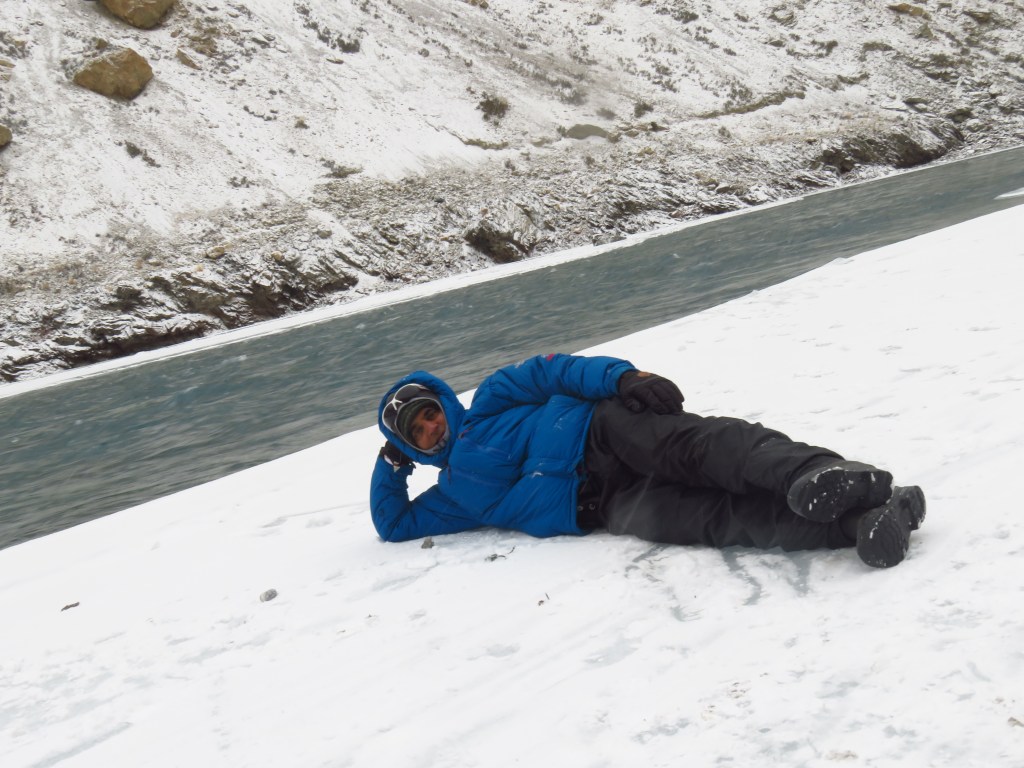
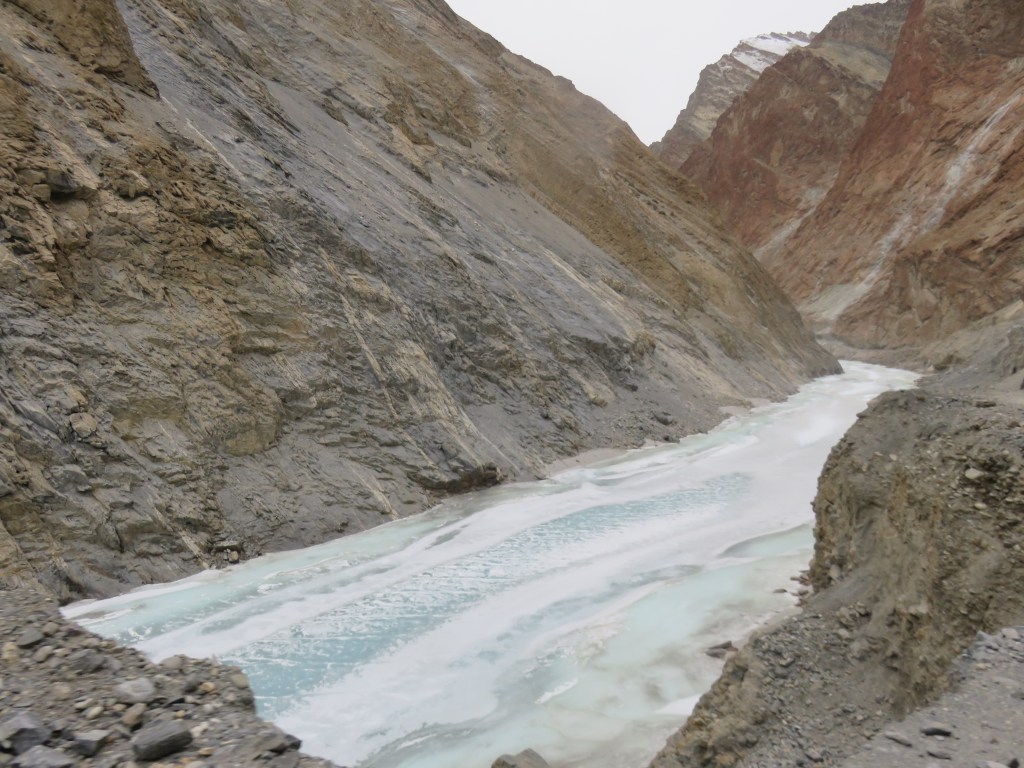
Then, mountainous regions across North America, Europe, and Africa have been amazing experiences as well. A career as a technology consultant / an executive to Fortune 50 organizations, managing resources, strategy/vision have been second nature. As more and more people take to the mountains, questions on sustainability and Leave no Trace arise. After walking the Chadar landscape to Padum – I came back with a determination to highlight some improvements that could be made. This was required to manage the flow of tourism so that the landscape is preserved and human experiences are better regulated. After speaking with the officials in Leh, they were very appreciative of my intent, forthrightness, and input. Given my role as Goodwill Ambassador to the government, this was well taken. They requested it in writing so it could be taken on record to advance the mountain protection and sustainability agenda.
The below document was submitted to the District Collector, Ladakh in September 2019. It presents approaches to help the sustainability of Chadar and the greater Zanskar valley. If done right, it would go a long way towards preserving the natural and cultural treasures of Ladakh.
I would like to impress on readers that sensitization and education on sustainability is a great value addition. It provides the necessary context, subsequently helping ongoing discussions for an all-around improvement to any outdoor experience. Such an exercise takes many rounds of discussions and consultations with stakeholders towards implementing the best approach and strategy. This in itself is rewarding, ultimately benefitting the landscape and livelihoods of all involved. It is also worthwhile to develop a multi-year, multi-point vision for a year-on-year improvement. The easiest approach could be to first curtail any environmentally unsustainable activities and then make further adjustments for the next season based on feedback. This way effect of each change can be monitored and fine-tuned further. If this is not followed then the joy of doing unique expeditions will be short-lived and fade out in years to come! The Stok Kangri expedition was shut down in 2019 due to unsustainable tourism and its side effects!!! This article in Outlook India is concerning and may become a reality for chadar expedition as well if no timely action is taken.
Furthermore, making any activity sustainable does not essentially mean reducing its business or commercial gain in the long term. Even though there may be a fall in revenue or gains in the short term it will be compensated many-fold long-term. Sustainable practices ensure that activities become better and continue longer. Identifying the right impact, environmental costs, and intangible effects needs a positive approach on behalf of all stakeholders. Thereafter suitable adjustments can be made to the cost structure of any experience to offset activity impacts. Thereafter compliance and support from stakeholders and visitors will ensure better maintenance of the landscape and continuation of the Chadar trek. This is the goal!
I must say having seen the pro-active and rich value system of the Ladakhi communities, it is my sincere endeavor to help bring best practices and suggestions to them. This should also help cultural preservation in a world where such values are fast disappearing! The tussle between development, livelihoods, and sustainability can be made a healthy by balancing all sides. This is evident in states like Bhutan, where the government and people have aligned to ensure sustainability via a unique concept of Gross National Happiness, instead of a GDP-only view. It is the investment in maintaining this culture and nature that sustains us, it is foremost in every endeavor including tourism. Bhutan could have brought in a lot more money into the country if higher tourism numbers were allowed at cheaper costs. We need to understand that there is a cost to maintaining quality of life and natural resources. Especially in high-altitude regions where resources are very scarce. Their preservation and respect for whatever is available is required. Only then can sensitization of visitors be made for controlled growth while preserving cultural values via education and discussions.
Finally, I encourage the Ladakh administration for a proactive outlook toward sustainability. The carrying capacity of each trek landscape needs to be factored in to ensure best practices. Encouraging and sensitizing local communities will help preserve the culture, cleanliness, and livelihoods towards prosperity. Thereafter as reported, the administration took good steps to mitigate the reported issues.
I look forward to Ladakh developing best practices for the outdoors!!

 Bhushan H. Sethi